


Exercise Rehabilitation
Exercise rehabilitation is an essential component of physiotherapy treatment. It involves a structured program of exercises designed to improve strength, flexibility, and overall function. Exercise rehabilitation can be useful for individu…

Exercise rehabilitation is an essential component of physiotherapy treatment. It involves a structured program of exercises designed to improve strength, flexibility, and overall function. Exercise rehabilitation can be useful for individuals with a wide range of conditions, including injuries, chronic pain, and post-surgical recovery. The focus of exercise rehabilitation is on restoring function and returning the individual to their normal activities of daily living.
Strengthening exercises are a crucial component of exercise rehabilitation. They are designed to help individuals regain strength in specific muscles that may have weakened due to injury or disuse. Strengthening exercises can involve the use of resistance bands, weights, or bodyweight exercises such as squats or lunges. The intensity and duration of the exercises are tailored to the individual’s specific needs and abilities.
Flexibility exercises are another essential component of exercise rehabilitation. They involve stretches and movements that aim to improve range of motion and prevent stiffness. Flexibility exercises may include gentle stretches, yoga, or Pilates. These exercises can be particularly helpful for individuals with conditions such as arthritis, back pain, or post-surgical stiffness.
In addition to strengthening and flexibility exercises, exercise rehabilitation may also involve cardiovascular or aerobic exercises. These exercises are designed to improve overall fitness, endurance, and cardiovascular health. Cardiovascular exercises can include walking, cycling, or swimming, and can be tailored to the individual’s fitness level and goals.
Exercise rehabilitation can provide many benefits for individuals undergoing physiotherapy treatment. It can help to reduce pain, improve range of motion, increase strength and flexibility, and enhance overall function. Additionally, exercise rehabilitation can promote mental wellbeing by reducing stress and improving mood.
The success of exercise rehabilitation depends on careful assessment and individualized treatment planning. A qualified physiotherapist will conduct a thorough assessment of the individual’s condition, including any underlying medical issues or concerns. Based on the assessment, the physiotherapist will develop a treatment plan that includes specific exercises and goals.
Overall, exercise rehabilitation is an important aspect of physiotherapy treatment. It can help individuals to regain function and return to their normal activities of daily living. Through strengthening, flexibility, and cardiovascular exercises, exercise rehabilitation can provide significant physical and mental benefits for individuals undergoing physiotherapy treatment.
Our specialists
Our Physiotherapy team
Reception will match you with the clinician best suited to your needs.
Related treatments
Other treatments in Physiotherapy

Schroth Scoliosis Therapy
Scoliosis is a complex spinal condition characterized by an abnormal curvature of the spine. While scoliosis can affect individuals of all ages, it most commonly emerges during adolescence. The condition not only affects the physical align…
Lumbar & Cervical 3D Traction
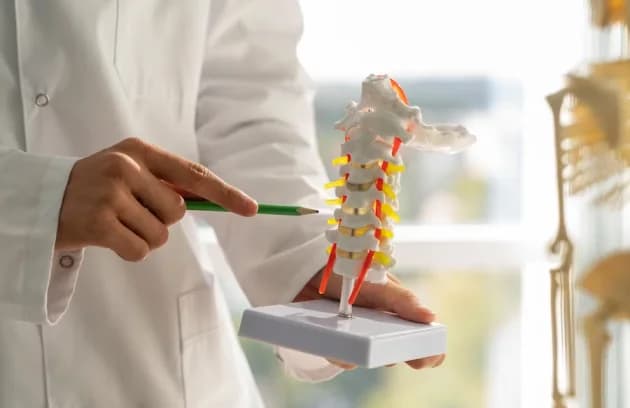
A 3D traction bed is a modern physiotherapy device used to relieve pain and discomfort in the cervical and lumbar spine. The device operates by gently stretching and decompressing the spine, relieving pressure on the discs, vertebrae, and …

Manual Therapy & Manipulation
Skilled manual pressure, stretching and controlled movements applied to the joints and soft tissues, which can help relieve pain, improve joint mobility, reduce muscle tension and support functional recovery.
Ready to start with Physiotherapy?
Call our reception team to find a time that suits you. We will confirm your appointment and answer your questions.