

Manual Therapy & Manipulation
Skilled manual pressure, stretching and controlled movements applied to the joints and soft tissues, which can help relieve pain, improve joint mobility, reduce muscle tension and support functional recovery.
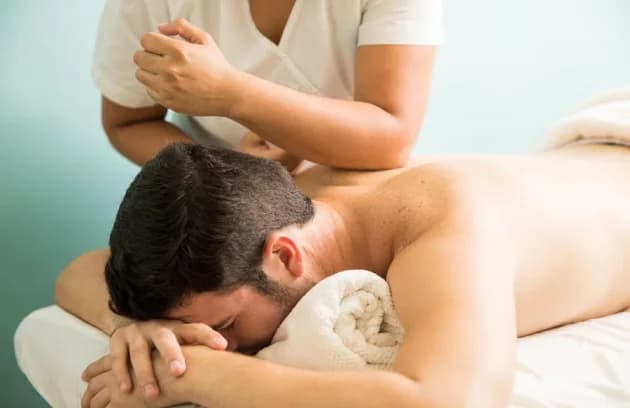
Manual therapy and manipulation are commonly used physiotherapy techniques that can help relieve pain, improve joint mobility, reduce muscle tension and support functional recovery. These techniques involve the skilled application of manual pressure, stretching and controlled movements to the joints and soft tissues.
Joint mobilisation and manipulation
Joint mobilisation involves gentle, controlled movements performed by a physiotherapist to help improve joint mobility, reduce stiffness and restore functional movement. Manipulation, when clinically appropriate, involves a quick, controlled, high-velocity thrust to a joint with the aim of improving mobility and reducing pain.
How it may help
Manual therapy and manipulation may be incorporated into the management of a variety of musculoskeletal conditions. They may help reduce pain and stiffness, improve movement, promote relaxation and support overall physical function. These techniques may be used as part of treatment for conditions such as back pain, neck pain, headaches, arthritis and sports-related injuries.
Part of a tailored programme
Manual therapy can also be combined with other physiotherapy approaches, including exercise therapy and electrotherapy, to create a comprehensive treatment programme tailored to each patient’s individual needs and goals. A combination of appropriate treatment approaches may help improve mobility, strength, flexibility and functional ability.
Your assessment and treatment
Manual therapy and manipulation should be performed by a qualified and experienced physiotherapist following a thorough assessment. The physiotherapist will evaluate the patient’s condition and develop an individualised treatment plan based on their specific needs. Patients should communicate any discomfort or unusual symptoms during treatment so that the techniques can be appropriately modified.
Overall, manual therapy and manipulation can be valuable components of physiotherapy care for appropriately selected patients. When combined with exercise and other evidence-based treatment approaches, they may support pain management, improve movement and help patients return to their daily activities and physical goals.
Our specialists
Our Physiotherapy team
Reception will match you with the clinician best suited to your needs.
Related treatments
Other treatments in Physiotherapy

Schroth Scoliosis Therapy
Scoliosis is a complex spinal condition characterized by an abnormal curvature of the spine. While scoliosis can affect individuals of all ages, it most commonly emerges during adolescence. The condition not only affects the physical align…
Exercise Rehabilitation
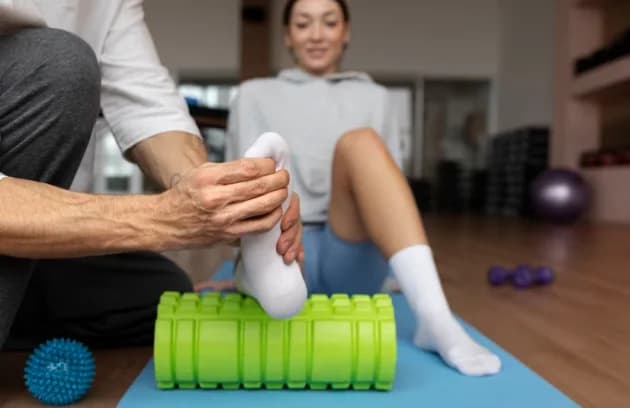
Exercise rehabilitation is an essential component of physiotherapy treatment. It involves a structured program of exercises designed to improve strength, flexibility, and overall function. Exercise rehabilitation can be useful for individu…
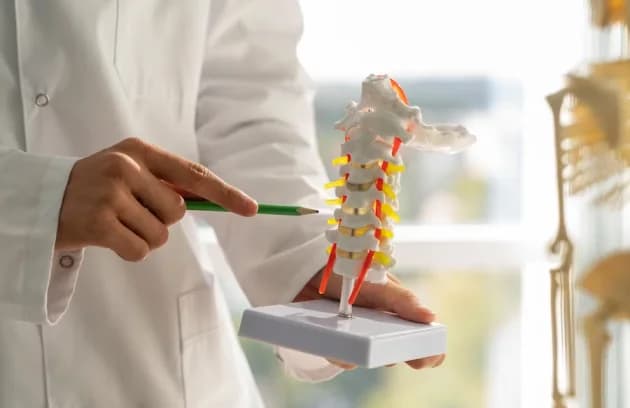
Lumbar & Cervical 3D Traction
A 3D traction bed is a modern physiotherapy device used to relieve pain and discomfort in the cervical and lumbar spine. The device operates by gently stretching and decompressing the spine, relieving pressure on the discs, vertebrae, and …
Ready to start with Physiotherapy?
Call our reception team to find a time that suits you. We will confirm your appointment and answer your questions.