
Augmentative & Alternative Communication (AAC)
Assessment and intervention for individuals who need additional methods of communication when speech is limited or unavailable, from picture-based systems to high-tech communication systems.
Some individuals require additional methods of communication when speech is limited or unavailable. AAC (augmentative and alternative communication) includes a wide range of methods and tools that can be used to support or replace spoken language, such as symbols, pictures, gestures or technology.
What assessment and intervention may include
- Communication boards
- Picture-based systems
- Low-tech and high-tech communication systems
- Symbol-based communication
- Functional communication systems
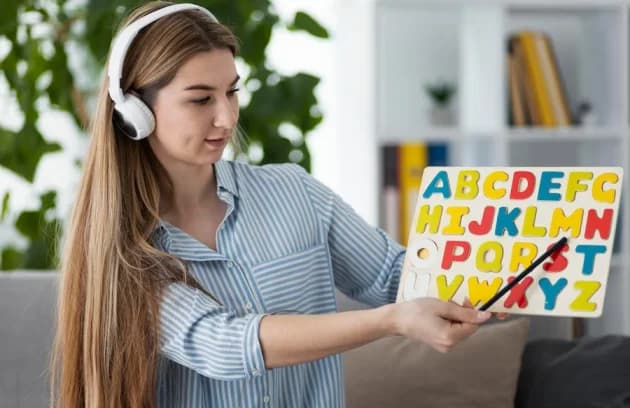
Low-tech methods may include picture boards or communication books. High-tech methods may include speech-generating devices or computer software.
Who AAC can support
AAC can be used for individuals with a wide range of communication difficulties, including those with developmental disorders, speech and language disorders, neurological conditions, or physical disabilities that affect speech production. It can support individuals who have difficulty expressing themselves, understanding language or interacting with others.
How we work
Our speech therapists work closely with each person to determine the best AAC method based on their needs and abilities. The goal of AAC is to provide an effective means of communication that meets the person’s specific needs and abilities, and it can support their quality of life.
AAC may be introduced gradually, starting with simple communication tools and gradually increasing the complexity of the communication system. For example, a therapist may start with basic picture symbols and then gradually move to using a speech-generating device that produces spoken language.
AAC therapy may also involve teaching communication partners how to use the AAC system effectively to support the individual’s communication. This may include teaching family members, caregivers or teachers how to use the system and how to incorporate it into daily activities.
Our specialists
Our Speech & Language Therapy team
Reception will match you with the clinician best suited to your needs.
Related treatments
Other treatments in Speech & Language Therapy

PROMPT Therapy
PROMPT therapy, or Prompts for Restructuring Oral Muscular Phonetic Targets, is a highly effective and evidence-based treatment approach used by speech therapists to improve speech production in individuals with various speech and language…
AVTK Cue Method
The AVTK cue method is a treatment method used in speech therapy to help individuals with speech and language difficulties improve their communication skills. AVTK stands for Auditory, Visual, Tactile, and Kinesthetic cues, which are all u…
Speech Sound & Articulation Therapy
Assessment and treatment for speech sound difficulties, from individual sounds to connected speech and everyday communication.
Ready to start with Speech & Language Therapy?
Call our reception team to find a time that suits you. We will confirm your appointment and answer your questions.